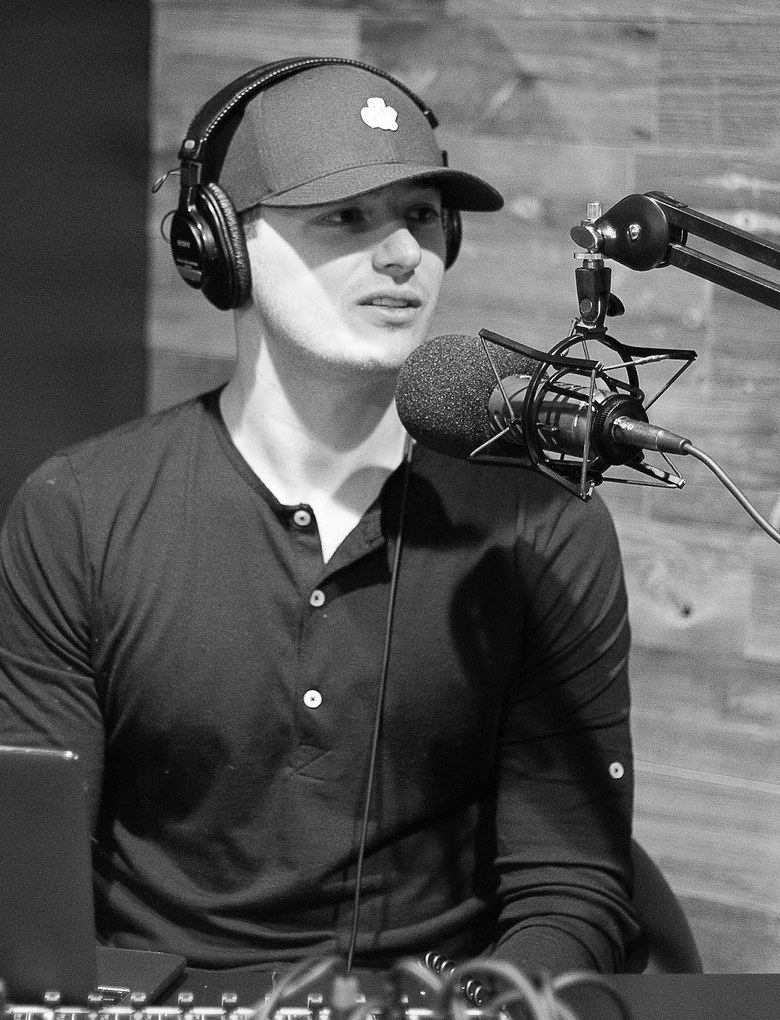
Before AI, my business ran like most businesses do. We had people, processes, SOPs, and years of knowledge living in people’s heads. When someone left, I had to train the next person.
When ChatGPT came out, I think we all felt the same thing. The world had changed, and the business world was going to change with it.
My response was to become as AI native as I possibly could. I started by opening ChatGPT and telling it what to do. Then came custom prompts, custom GPTs, Claude Code, and automations.
OpenClaw changed everything again.
ChatGPT made AI something real we could talk to and work with. OpenClaw made autonomous digital beings with identities, memories, and the ability to act on their own.
I started by building myself an assistant. I connected it to my email, calendar, ad accounts, QuickBooks, Notion, meetings, and everything else inside the company.
The more I connected, the more powerful it became.
Eventually, I realized I had built more than an assistant. I had built a co-CEO, with a company brain underneath it.
Google searches the internet. My agent searches my business.
My business was no longer the separate sum of its people and processes. It had become one unified digital intelligence.
Everything the company had ever learned was now available on every call and behind every decision. Work that used to take weeks took days. Work that took days took hours.
It turned me into a superhuman because I was no longer working alone. It was me and my agent, thinking and working together all day.
That led me to a bigger question.
If an agent could multiply me, could agents own roles of their own, the same way the people on my team did?
I spent months experimenting with that idea. I tried different roles, identities, tools, memories, and ways of working. A lot of it did not work. Slowly, I figured out how to build agents that could do more than help with individual tasks.
They could actually own work.
Today, these agents have their own identities, responsibilities, memories, skills, email addresses, and Slack accounts. They work directly with my employees and clients as part of the company.
I will never forget the first time I watched one of my digital employees have a real conversation with one of my human employees.
It blew my mind.
These agents remembered things. They had skills they had learned. They understood their roles and the business around them. And they were talking to my team without me sitting in the middle.
It felt like watching the world shift in real time.
Now it is simply part of everyday life.
Everyone on my team works alongside agents, and every person and agent works from the same company brain underneath.
Nobody works alone anymore. Everything we learn, create, and decide goes back into the system, and the system keeps growing with us.
Along the way, I developed a deep passion for this work.
I believe the shift from people working alone to people working alongside their own agents will be one of the biggest changes we experience, both as human beings and as an economy.
It is the work I want to dedicate my career to.
That is why I rebuilt my business, Walker Labs, around this work from the ground up.
And it is why I started Walker’s Lab.
Walker’s Lab is the public record of that work.
One or two times a week, I share what I am building, what is working, what is breaking, what it costs, and what I am learning from putting AI agents to work in a real business and a real life.
I am not interested in recycling AI news or reviewing every new tool that launches.
I want to help you understand what is actually happening, what matters, and how to use it to become more capable in your work or build a more intelligent business.
We are all going to live through this transition.
My goal is to help you get ahead of it.